How screen readers treat strikethrough
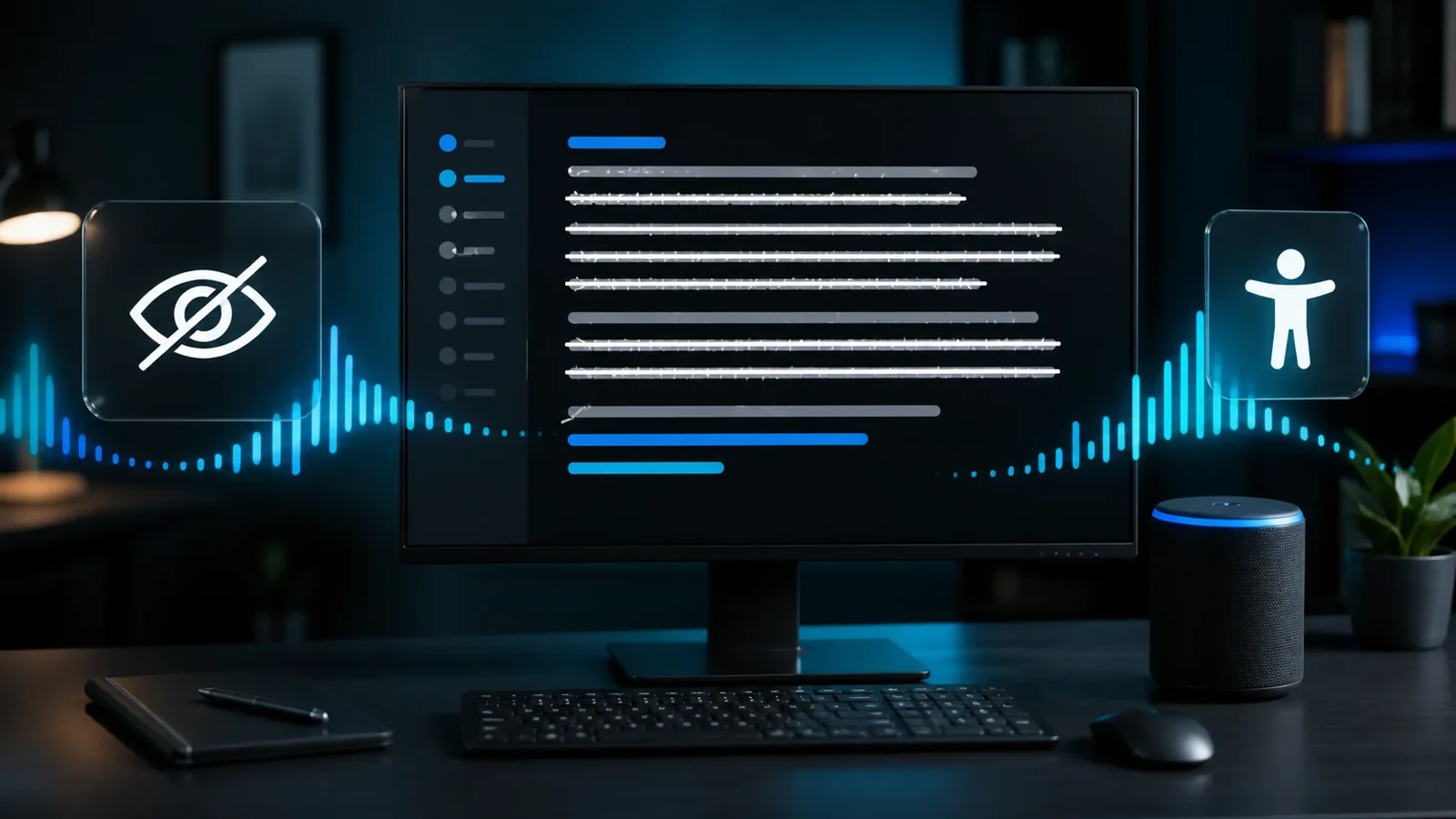
Assistive technology reads the underlying characters. With Unicode strikethrough, a screen reader may announce the base letters and either ignore the combining marks or read them as extra noise, without conveying that the text is struck. That can change the meaning for a listener.
Semantic markup is better on the web
On web pages, the <del> and <s> elements carry meaning that assistive technology can announce. Where the crossing out matters, semantic HTML is the accessible choice, not a decorative line or Unicode overlay.
In plain text environments
In chat apps and social bios you cannot use HTML, so Unicode strikethrough is the only option. There, do not rely on the line alone to change meaning. If a struck word is essential to understanding, add a few words of context so nobody misses it.
Contrast and legibility
Keep struck text short and high in contrast. Long runs of crossed out characters are harder to read for everyone, and especially for people with low vision. A word or two makes the point without straining anyone.
Frequently Asked Questions
Only partially. Screen readers may not convey the crossed out meaning, so avoid relying on the line alone for important content.
Use the semantic <del> or <s> elements, which assistive technology can announce.
Add a short note of context so the meaning does not depend on the line being rendered or announced.
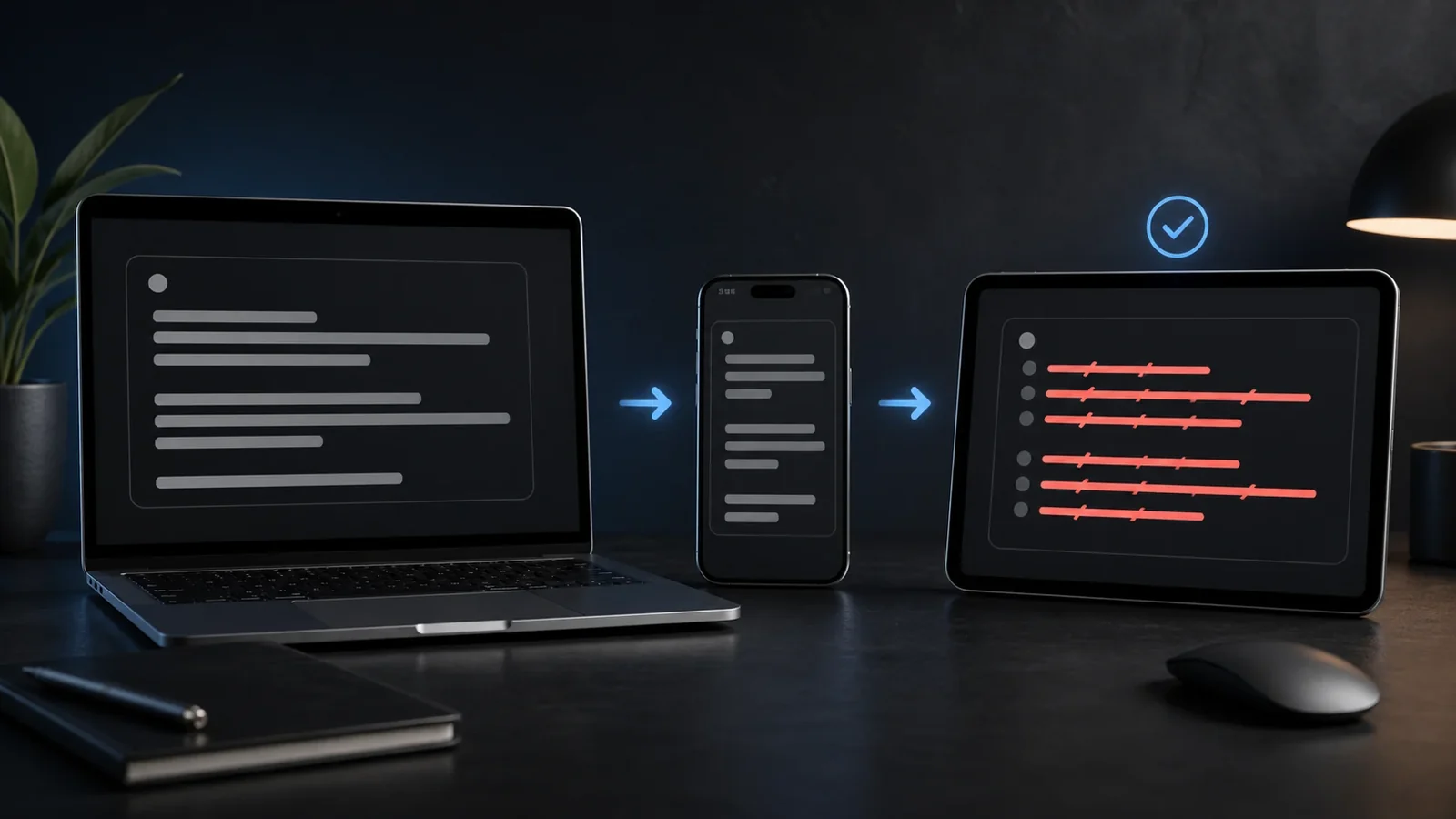
Yes. You can create and paste it on Android, iPhone, tablets, and desktop devices without installing a special font.
Yes. Unicode combining marks travel with the letters, although an older app or unsupported font may render them differently.
Keep the crossed-out phrase short and state the corrected or intended wording nearby. Never make the line alone responsible for the meaning.