Combining characters
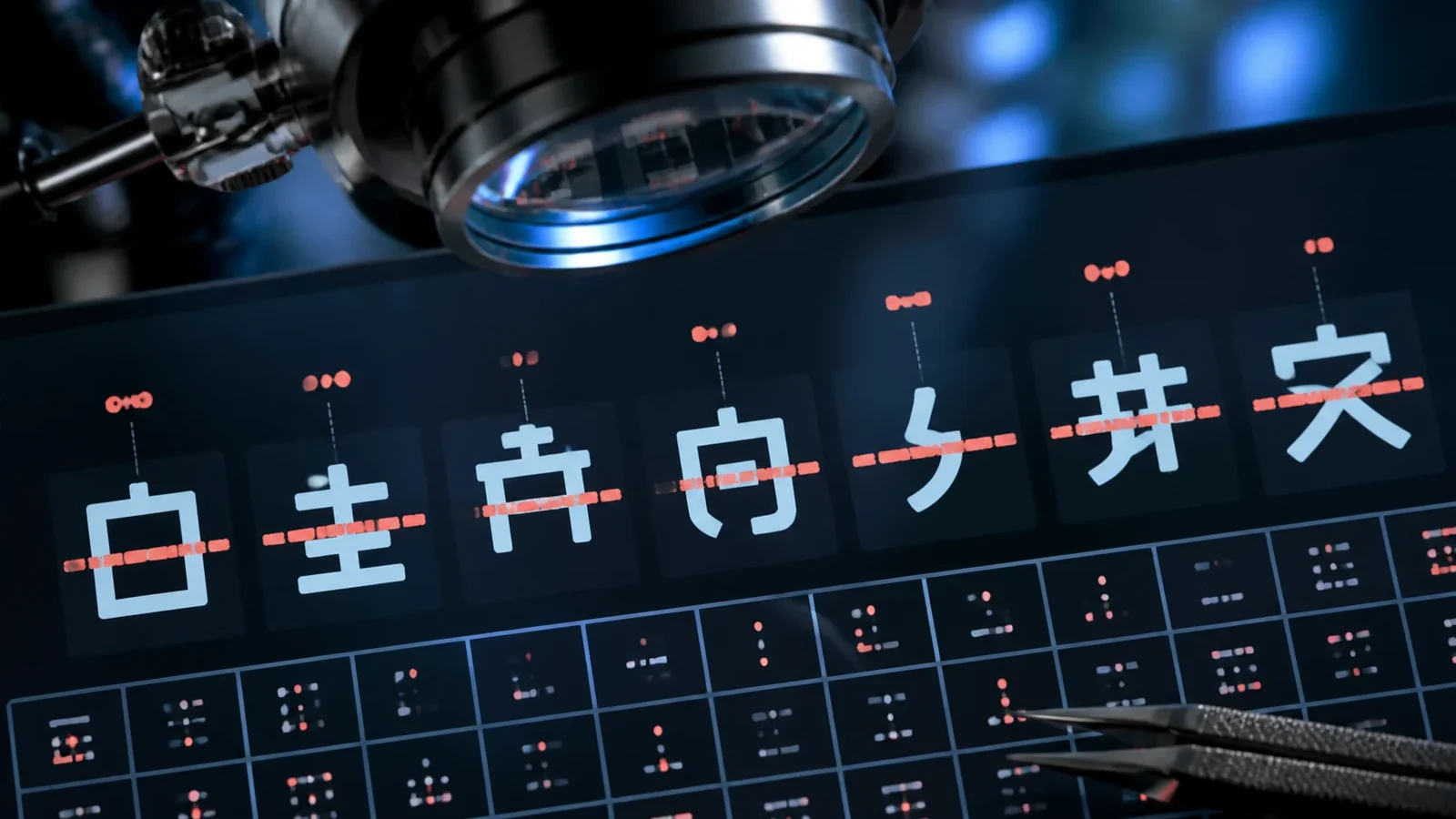
Unicode includes a category of characters called combining marks. On their own they are invisible, but they attach to the character immediately before them and modify how it is drawn. Accents on letters work this way, and so do overlay strokes.
The long stroke overlay, code point U+0336, draws a horizontal line across the character it follows. Place one after every letter and the whole word appears struck through.
Why it survives copy and paste
Because the mark is a real character, it is part of the text data, not a style layer on top of it. When you copy the text, you copy the letters and the marks together. When you paste, both come along, so the line is preserved regardless of the destination.
Different marks, different looks
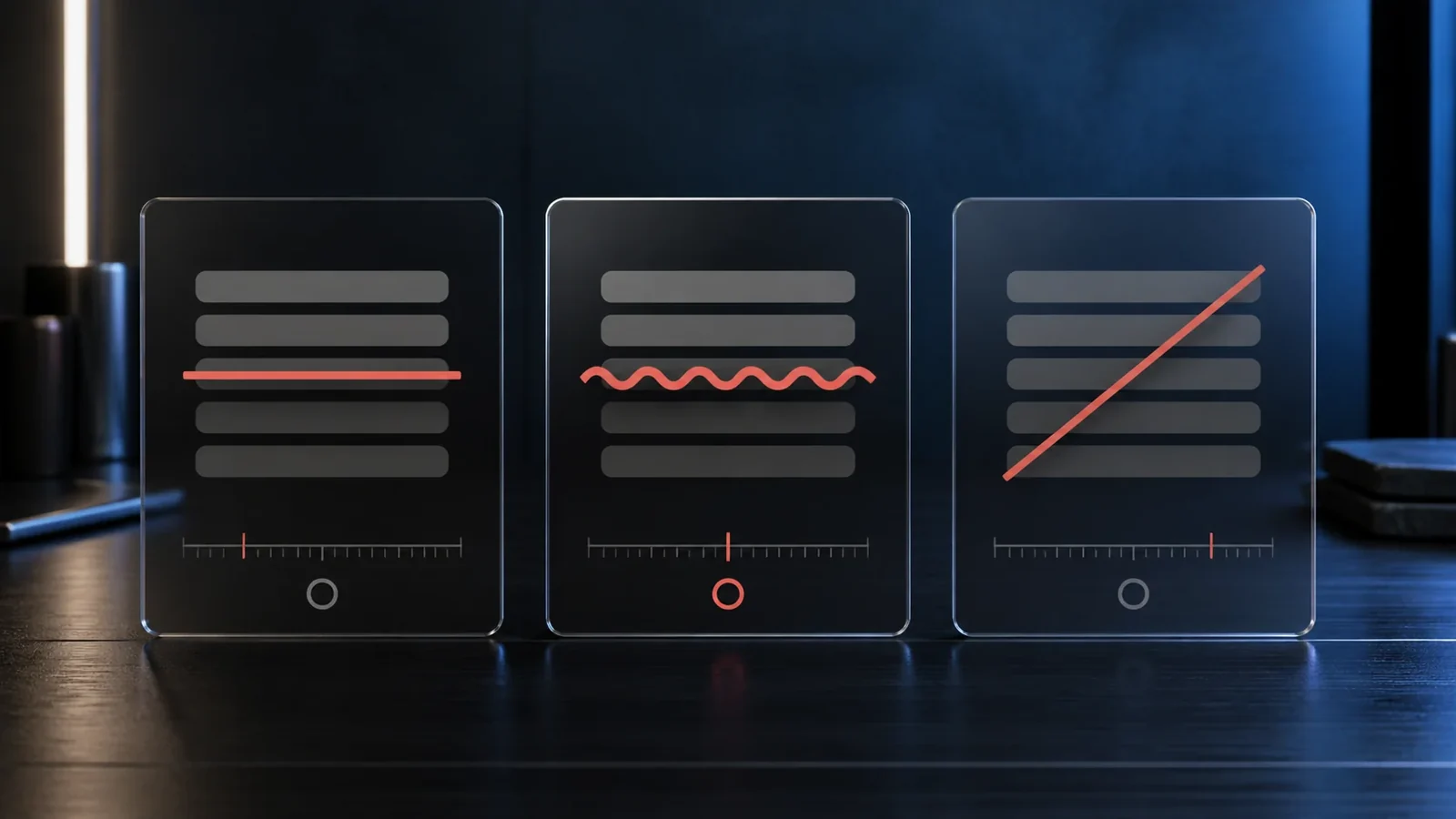
Several combining marks produce related effects. U+0336 gives the classic long strikethrough, U+0334 adds a tilde overlay for a wavy cross out, U+0337 is a short slash, and U+0332 draws a low line for underline. Our generator offers all four so you can compare them.
The limits of the trick
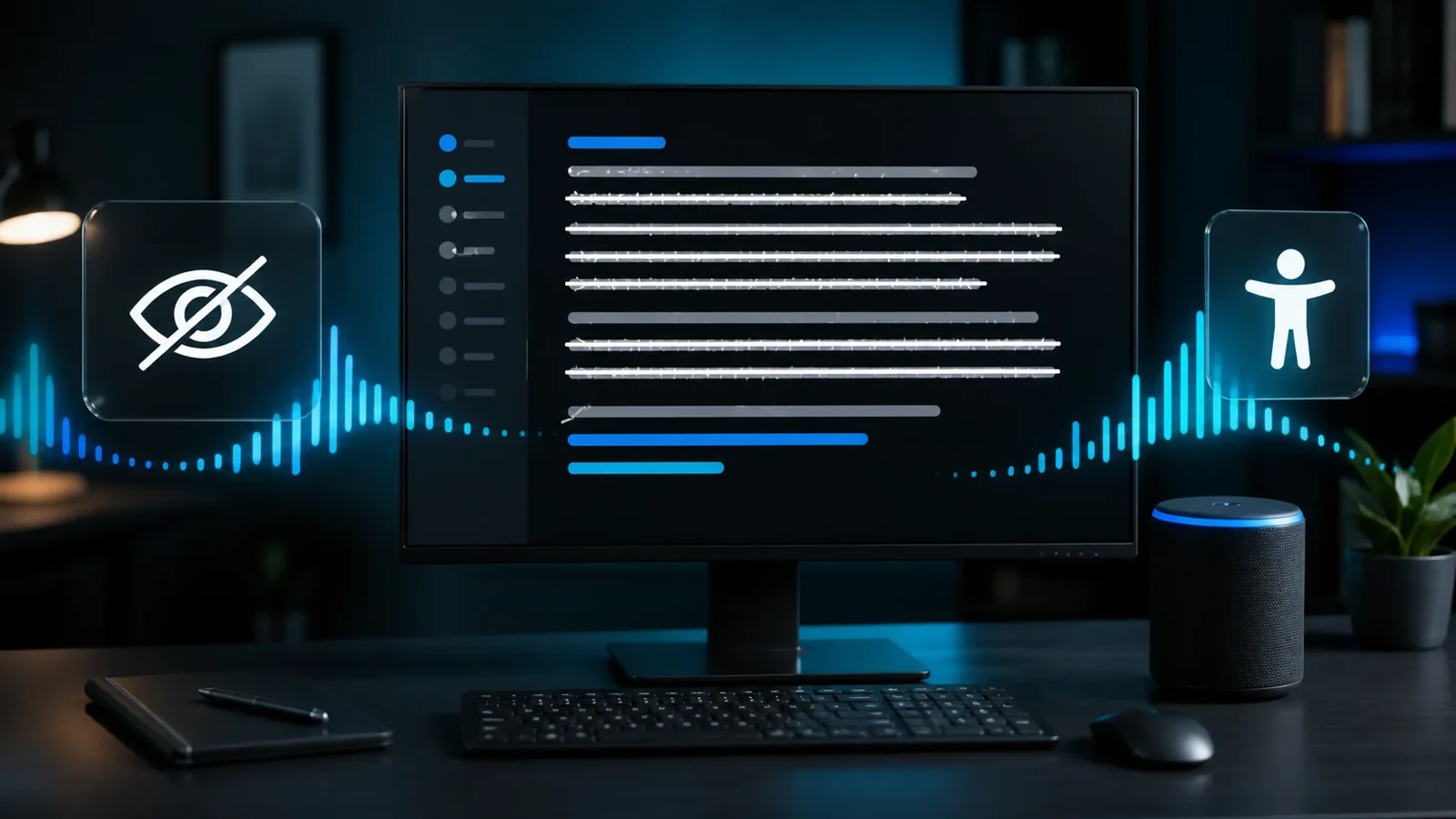
Rendering depends on the font and platform. Well maintained systems draw the marks correctly, but some older fonts lack full support and show boxes or gaps instead. Assistive technology may also read the base letters without announcing the overlay, which is worth keeping in mind for important content.
Frequently Asked Questions
No. It uses combining characters that attach to normal letters, so it works without installing any font.
U+0336, the combining long stroke overlay, produces the classic horizontal line.
Those devices lack full font support for the combining marks. The text is still correct, it just is not being drawn properly there.
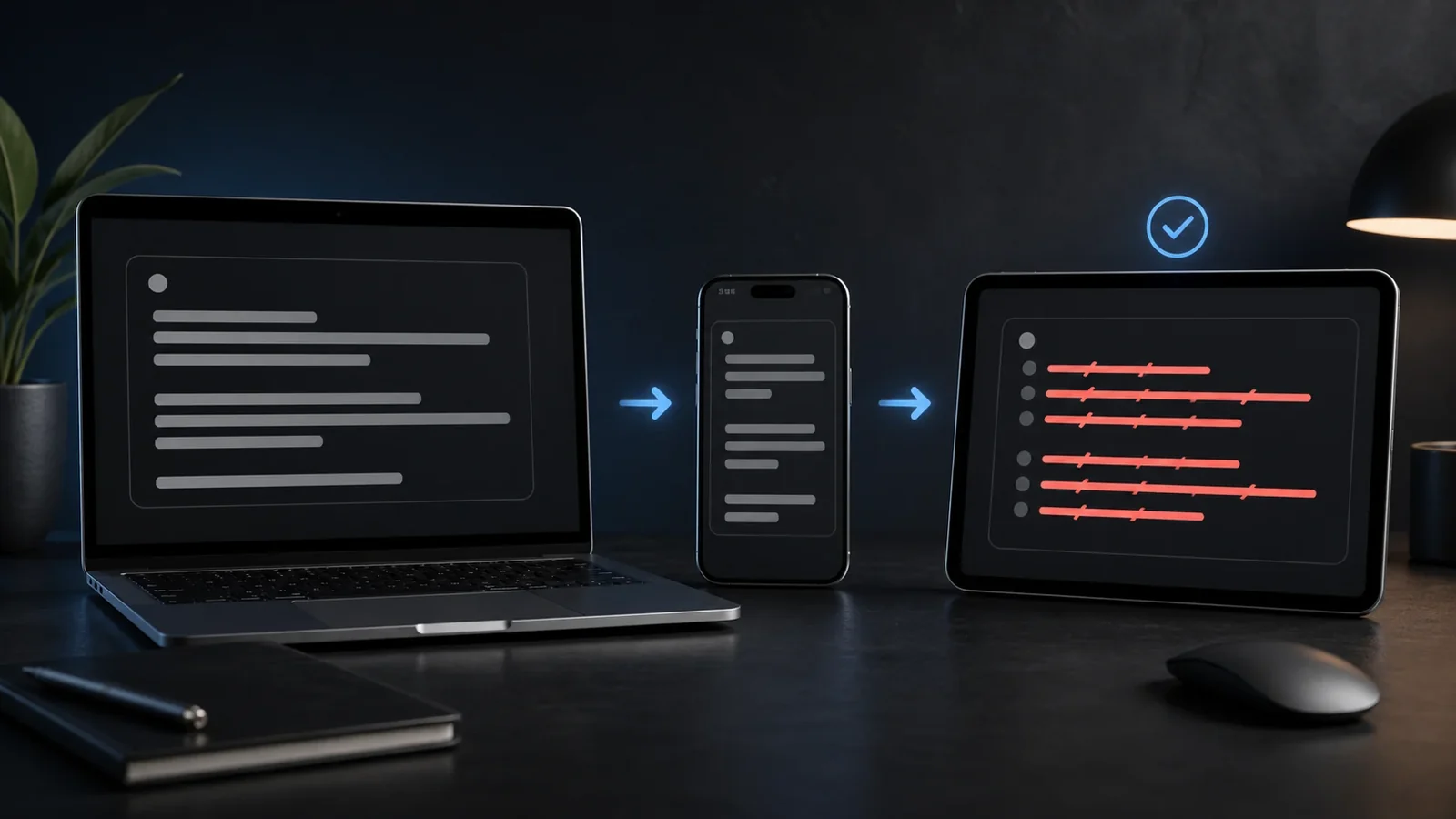
Yes. You can create and paste it on Android, iPhone, tablets, and desktop devices without installing a special font.
Yes. Unicode combining marks travel with the letters, although an older app or unsupported font may render them differently.
Use it sparingly, keep the phrase short, and provide the intended meaning in nearby plain text because screen readers may not announce the visual line.